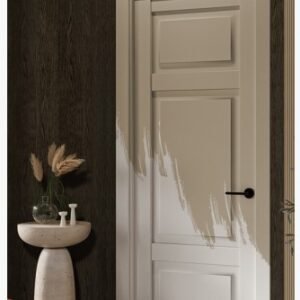
FIND YOUR INSPIRATION: Types of Interior Design Styles

Browse our curated interior design collection and find a perfect interior door fit for your design.

Contemporary style

If you are a fan of minimalism, which is alien to the idea of mixing eras, and you always seek to avoid intrusive prints, a contemporary style is a classic option for decorating living spaces. That interior design, which appeared in the middle of the 20th century, is simple enough, does not contain unnecessary decorative elements, and guarantees constant relevance.
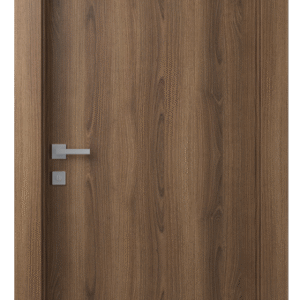
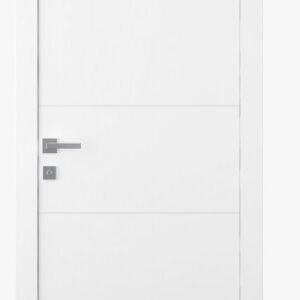
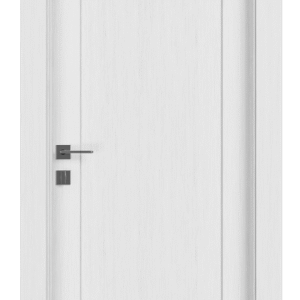
Wood is most commonly used as the primary material for modern doors. Velblue Properties Inc’s product range includes slabs in discreet but practical colors: Bianco Noble, Grey Oak, Loire Ash, and others. They are a testament to timeless design. Including metal strips and glass inserts in some doors adds an elegant touch, making them a versatile choice for any interior.
Japandi style

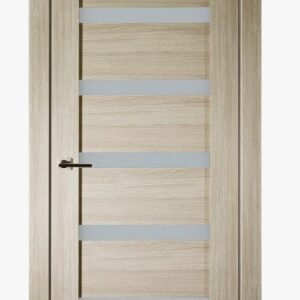
Japandi design, a combination of Japanese and Scandinavian interior elements, emerged around the 1850s when Western actively developed trade with the West. This style is characterized by simplicity, minimalism, and focusing on natural materials. Japandi design features a neutral color palette, precise lines, and a harmony between form and functionality. It favors quality furniture that will always be relevant and durable. Stile and rail doors are popular, as they have a sleek aesthetic design that works well in a living space. Slabs with strips or glass inserts add visual interest and a modern twist on traditional Japanese shoji screens.

Minimalist style

Minimalism in interior design is a trend, a philosophy, a way of life, thinking, and art. It reflects the pursuit of perfection through simplicity, aesthetics, and functionality. Since 1960, it has become a symbol of the era when excess gives way to a consciously designed environment. Live plants, abstract art, and eco-design elements flawlessly complement that style. Because minimalism requires a lot of free space, compact sliding doors, and invisible (frameless) doors are excellent solutions for some rooms. Also relevant are wooden slabs in light neutral shades with virtually no decoration or models with neat aluminum strips, for example.

Modern style

Emerging closer to the middle of the 20th century and inspiring designers even today, Modern style is based on functionality. It is characterized by universal monochrome palettes, clean lines, and low and long furniture made of high-quality materials. Modern design is renowned for uncluttered spaces and plenty of unshaded windows. Choose an open floor plan for your house or apartment. In our assortment, we have emphasized modern doors precisely so that each buyer can find a model that elegantly complements the interior. Their appearance is attractive and devoid of extra elements, which makes it easy to match with any home accessories.

Scandinavian style

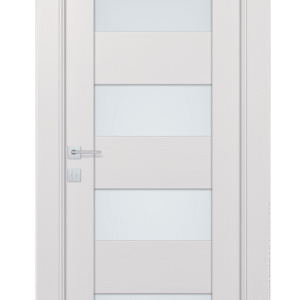
The founder of the Scandinavian style is considered to be the Swedish King Gustav III. That design expresses its beauty in functionality and the idea that everything in the interior must be in moderation: not too much or too little. The main thing is to create a homey atmosphere where the family feels inspired and safe. Distinctive features: Cozy, well-lit simplicity, clear lines, pastel colors + contrasts, natural textures, environmentally friendly materials. White doors with black hardware will attract your guests’ eyes and become vital to the interior. “I have said that black has it all. White too. Their beauty is absolute. It is the perfect harmony,” Coco Chanel remarked.

Coastal style

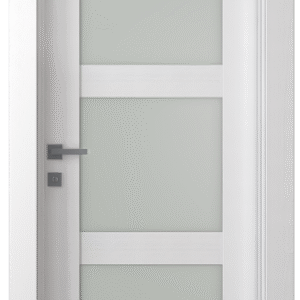
The coast’s beauty inspires this style, which is characterized by light and airy spaces, a soothing color palette, and natural materials. Coastal design emphasizes texture and patterns. It was made popular by the Hamptons (New York) luxury beach homes in the late 19th century. The best door choices are slabs with no decorative elements, providing a simple, clean look that goes well with the style. However, doors with glass inserts filling the living space with light and creating a cozy atmosphere are also stunning! Popular colors include Bianco Noble, Gray Oak, and Polar White. These shades are light, refreshing, and perfect for a quiet and calming environment.

Transitional Interior Design Style

Traditional style is a warm and inviting choice that wraps you in its embrace. It shuns fads, opting for a cozy, welcoming, and classic aesthetic. The emphasis on symmetry and a calm palette further enhances its comforting appeal. Vintage and antique pieces find a natural place in this style, adding to its tranquil atmosphere. The traditional style, which began to evolve in the 20th century, is not about being ostentatious. Its primary aim is to create a soothing and comfortable space that feels like home. The furniture and decor often draw inspiration from European design, particularly from 18th and 19th-century France and England. This influence is evident in the use of minimalist doors with one or more panels.

Pop Art style

The captivating and intriguing pop art style, a timeless extension of art, emerged in the 1950s. Despite facing its fair share of criticisms, it has managed to captivate hearts and minds across the globe. Originality comes first, so non-standard forms, expressive, eye-catching colors, and unique furniture are appreciated. This design cleverly combines natural and artificial materials, but smooth surfaces are favored the most. You want to expand beyond just one accent piece in a room when using many strokes, including a sofa, light fixture, teapot, or a non-trivial cabinet. If you choose primed invisible doors, you can decorate them how you want: painting them any color, wallpapering, or finishing them with plaster.